The Wedding of the Century: How Technology and Liberal Arts Can Drive Innovation in Pervasive Computing
by Lori Cameron
By Lori Cameron on
 Steve Jobs once said, “Technology alone is not enough—it’s technology married with liberal arts, married with the humanities, that yields us the results that make our heart sing.”
This idea is the driving force behind an article written by educators Orit Shaer of Wellesley College and Evan Peck of Bucknell University.
In it, they discuss why liberal arts education is important as a foundation for advanced studies and leadership in “pervasive” computing—invisible computing embedded in devices and objects everywhere that can be accessed at any time.
Like what you're reading? Stay ahead of your field and sign up here for our Build Your Career or Computing Edge newsletters to get content like this delivered right to your inbox weekly.
They share their experiences teaching pervasive computing in liberal arts colleges and describe projects developed by their students.
Check them out.
Steve Jobs once said, “Technology alone is not enough—it’s technology married with liberal arts, married with the humanities, that yields us the results that make our heart sing.”
This idea is the driving force behind an article written by educators Orit Shaer of Wellesley College and Evan Peck of Bucknell University.
In it, they discuss why liberal arts education is important as a foundation for advanced studies and leadership in “pervasive” computing—invisible computing embedded in devices and objects everywhere that can be accessed at any time.
Like what you're reading? Stay ahead of your field and sign up here for our Build Your Career or Computing Edge newsletters to get content like this delivered right to your inbox weekly.
They share their experiences teaching pervasive computing in liberal arts colleges and describe projects developed by their students.
Check them out.
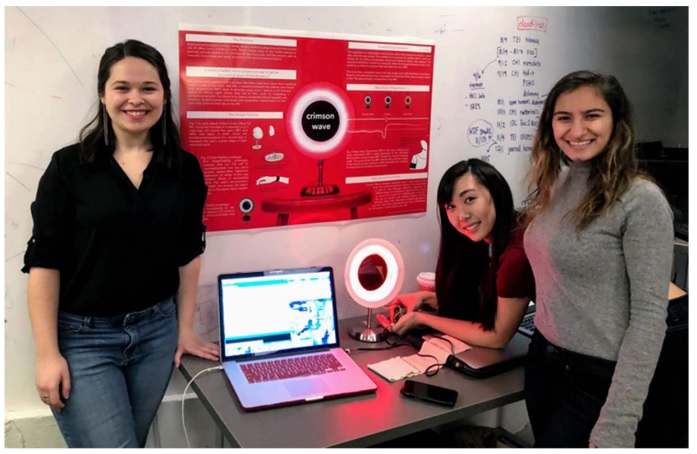
Wellesley College class of ’18 undergraduate students Margaret Flemmings, Rachel Pak, and Shanzay Kazmi present Crimson Wave, a personal ubiquitous computing system for tracking menstrual health.
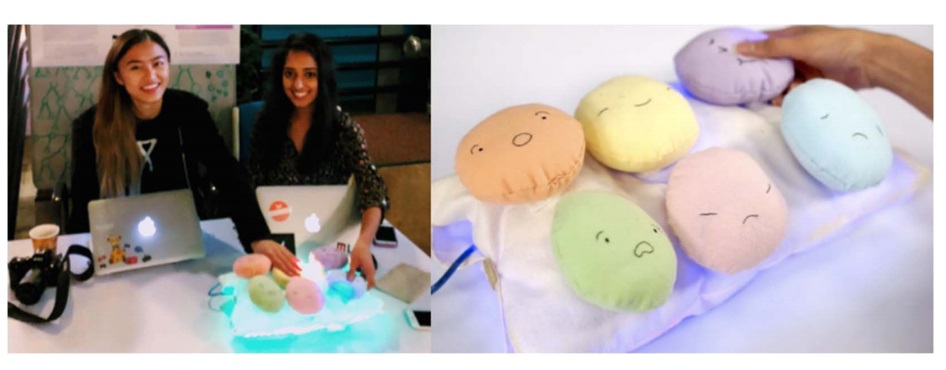
Wellesley College class of ’18 undergraduate students Katy Ma and Pooja Diwakar present EmotiBubbles, a soft tangible user interface for promoting social-emotional learning and communication.
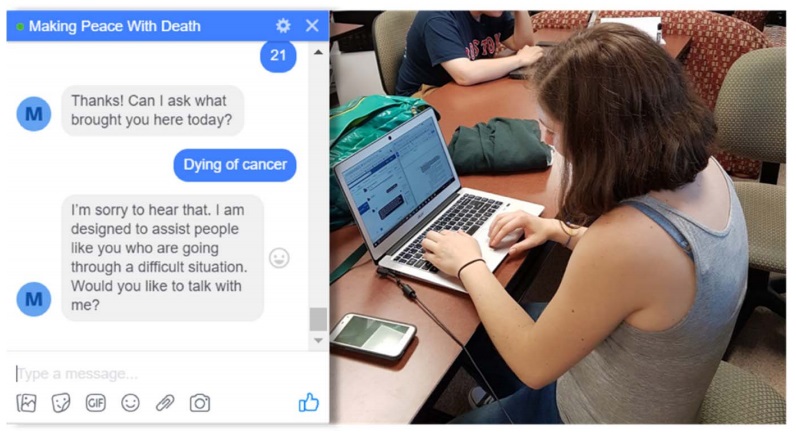
Bucknell University class of ’18 undergraduate student Sierra Magnotta demos Alice, a chatbot designed to help people reflect on death.
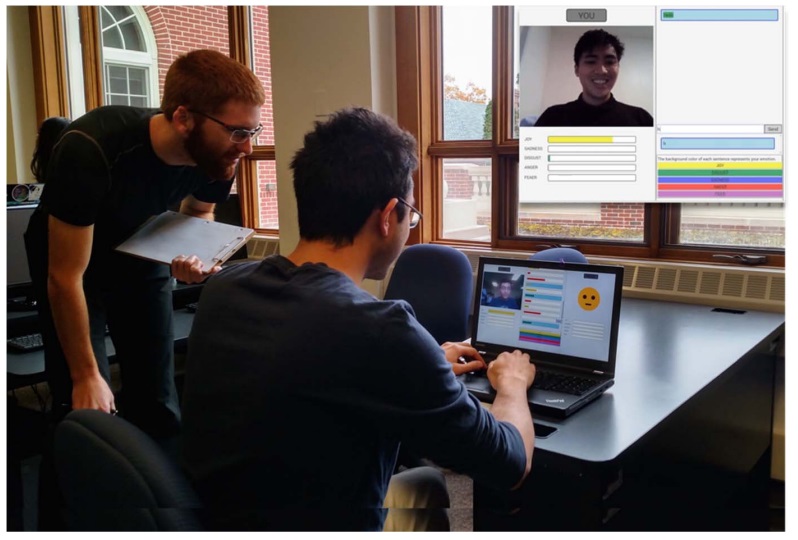
Bucknell University class of ’18 undergraduate students Sean McDonough, Khai Nguyen, and Nick Simons test AffecText, a messaging system with affective indicators.
Read more in “Teaching Pervasive Computing in Liberal Arts Colleges.” About Lori Cameron
Lori Cameron is Senior Writer for IEEE Computer Society publications and digital media platforms with over 20 years extensive technical writing experience. She is a part-time English professor and winner of two 2018 LA Press Club Awards. Contact her at l.cameron@computer.org. Follow her on LinkedIn.
About Lori Cameron
Lori Cameron is Senior Writer for IEEE Computer Society publications and digital media platforms with over 20 years extensive technical writing experience. She is a part-time English professor and winner of two 2018 LA Press Club Awards. Contact her at l.cameron@computer.org. Follow her on LinkedIn.


Read Next


